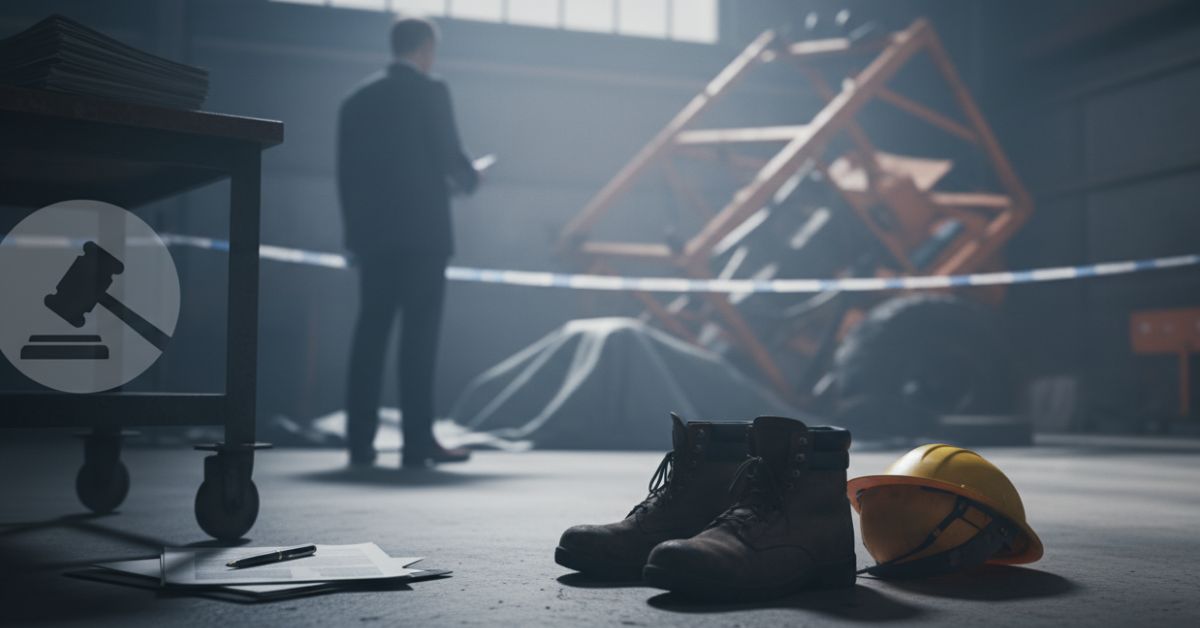
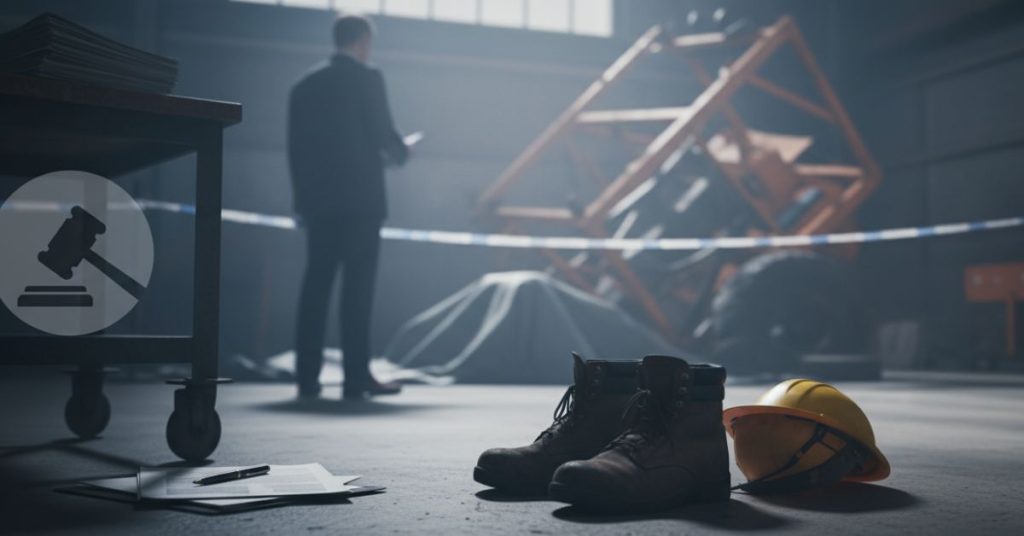
Workplace fatal accidents continue to affect workers across construction, manufacturing, transportation, warehouse, and industrial jobs. Many of these accidents happen because of unsafe working conditions, poor training, or safety hazards that were ignored for too long.
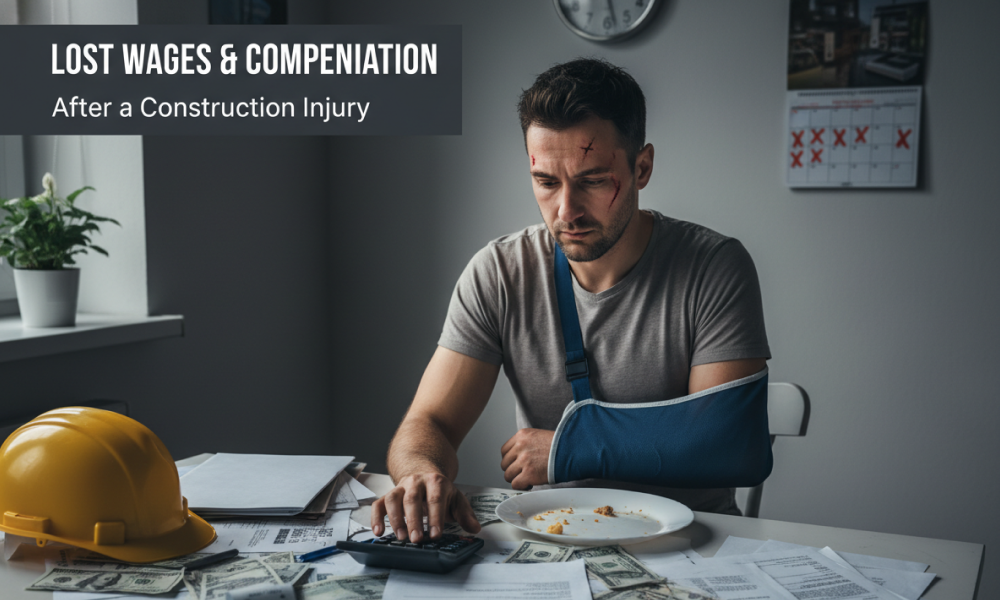
To the family, the aftermath extends well beyond the initial incident. The trauma caused by an unexpected death at the workplace is sure to cause not only emotional stress but also financial strain, as well as uncertainty regarding subsequent procedures.
Some families also wonder whether the accident could have been prevented. Did the employer ignore safety problems? Was faulty equipment involved? Did someone fail to follow workplace safety laws?
Understanding employee rights and workplace protections can help families make informed decisions after a serious accident. In some situations, workers’ compensation may provide benefits. In others, families may also have the right to pursue a legal injury claim against a responsible party.
Common Causes of Workplace Fatal Accidents
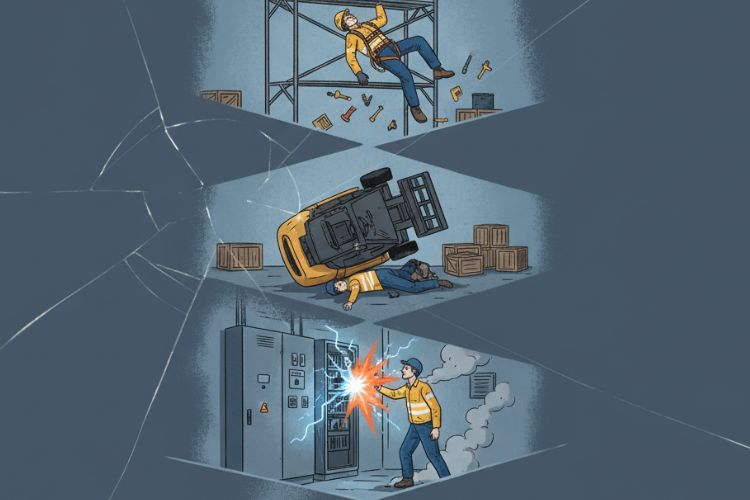
Work-related deaths can occur in various sectors, yet some causes are more common than others. High risk is associated with construction zones, factory environments, warehouses, and transportation positions, owing to the fact that people are continually exposed to machines, heights, electrical current, and hazardous substances.
Many fatal accidents are linked to preventable safety problems. Poor training, missing safety procedures, and unsafe equipment often play a role in these incidents.
Unsafe Work Environments
Unsafe work conditions are one of the leading causes of workplace fatal accidents. Hazardous job sites may include exposed electrical systems, unstable structures, slippery surfaces, chemical exposure, or poor ventilation.
Some employers fail to inspect worksites regularly. Others delay repairs or ignore complaints from workers about dangerous conditions. When safety risks are left unresolved, the chance of serious injury increases.
A worker should not have to choose between personal safety and keeping a job. That is one reason workplace safety laws exist.
Machinery and Equipment Accidents
Heavy equipment accidents can lead to severe or fatal injuries within seconds. Forklifts, conveyor systems, cranes, industrial machines, and construction equipment all require proper maintenance and training.
Sometimes equipment fails because inspections were skipped. In other cases, workers are asked to operate machinery without proper instruction. Missing safety guards and defective parts can also create serious risks.
An employee’s fatal injury involving machinery may lead to questions about whether the employer, maintenance provider, or equipment manufacturer contributed to the accident.
Falls and High Risk Workplace Hazards
Falls remain one of the most common causes of fatal workplace injuries in construction and industrial jobs. Workers operating on roofs, ladders, scaffolding, and elevated platforms face serious dangers if fall protection systems are missing.
Electrical accidents also continue to cause workplace deaths. Contact with exposed wiring or unsafe power systems can lead to severe injuries, especially in construction environments.
Some workers are also exposed to fires, confined spaces, toxic chemicals, or heavy falling objects. Without proper safety procedures, these hazards can quickly become deadly.
Employer Responsibilities After a Fatal Workplace Accident
Employers owe a duty to ensure reasonable safety at the place of work. Safety guidelines cannot be ignored, particularly in sectors that expose workers to various dangers on a daily basis. Whenever a tragic death occurs at the place of work, it is always determined whether the employer had met the safety standards.
Maintaining Workplace Safety
The employers are supposed to offer safety training, protective clothing, and measures aimed at reducing hazards. The employees must know how to use the equipment safely and handle emergency cases.
For instance, there will be a need for fall protection training for workers in construction sites and forklift safety training for workers in the warehouse. In addition, protective clothing should be available in case employees use chemicals, electricity, or any other kind of hazardous materials.
Following OSHA and Workplace Safety Regulations
Federal and state labor safety statutes mandate that employees comply with certain work safety standards. This is meant to ensure that any avoidable workplace accidents and fatalities are prevented.
Safety violations may involve poor equipment maintenance, missing fall protection, blocked emergency exits, or failure to train workers properly. In serious cases, repeated violations may become important evidence in fatal workplace injury claims.
Families often ask an important question after a fatal accident. Was the employer following the required safety rules before the incident happened?
Reporting and Investigating Fatal Accidents
Employers usually have reporting obligations after a fatal workplace accident. Investigations may involve safety agencies, insurance companies, and workplace inspectors. Accurate documentation matters because reports, maintenance records, and witness statements may later become part of a workers’ compensation case or wrongful death claim.
A proper investigation may also help families understand how the accident happened and whether safety failures contributed to the death.
Legal Rights After a Workplace Fatal Accident

Many families are unsure about their legal options after losing a loved one in a workplace accident. The available claims often depend on how the accident happened and who may be responsible.
Workers’ Compensation Death Benefits
Workers’ compensation death benefits may help surviving family members recover financial support after a fatal workplace accident. Benefits can include funeral expenses, lost income support, and financial assistance for dependents.
The rules vary by state, and benefit amounts may depend on the worker’s wages and family situation. Workers’ compensation usually prevents employees from directly suing their employer. However, there are situations where additional claims may still be possible.
Wrongful Death Claims
A wrongful death lawsuit may be filed when negligence contributed to the accident. These claims often involve serious safety failures, defective equipment, or dangerous work conditions.
For example, if an employer ignored repeated safety complaints or knowingly violated workplace safety rules, families may explore additional legal options beyond workers’ compensation.
Some families also speak with a fatal accident lawyer in New York or another local attorney to understand whether further legal action may apply to their case.
Third Party Liability Claims
In some cases, parties other than the employer are involved in an accident. Other parties who can be held responsible include contractors, subcontractors, manufacturers, and other suppliers of services.
When accidents happen due to faulty machinery or equipment, it is possible to make a fatal workplace injury claim.
How Employer Negligence Contributes to Fatal Workplace Accidents
Employer negligence can increase workplace risks in many ways. Common examples include:
-
Failure to Provide Safety Equipment
Workers may face dangerous conditions without helmets, harnesses, gloves, eye protection, or other required safety gear.
-
Inadequate Employee Training
Some workers are placed in high-risk environments without proper instruction or supervision. Lack of training can increase the chance of serious mistakes and injuries.
-
Ignoring Known Safety Risks
Employers sometimes ignore equipment problems, unsafe structures, or repeated employee complaints about hazards.
-
Violations of Workplace Safety Standards
A safety regulation violation can include a lack of proper inspections or unsafe equipment, or non-compliance with safety procedures at the workplace.
Understanding employee rights and workplace protections may help workers and families recognize when safety laws were ignored.
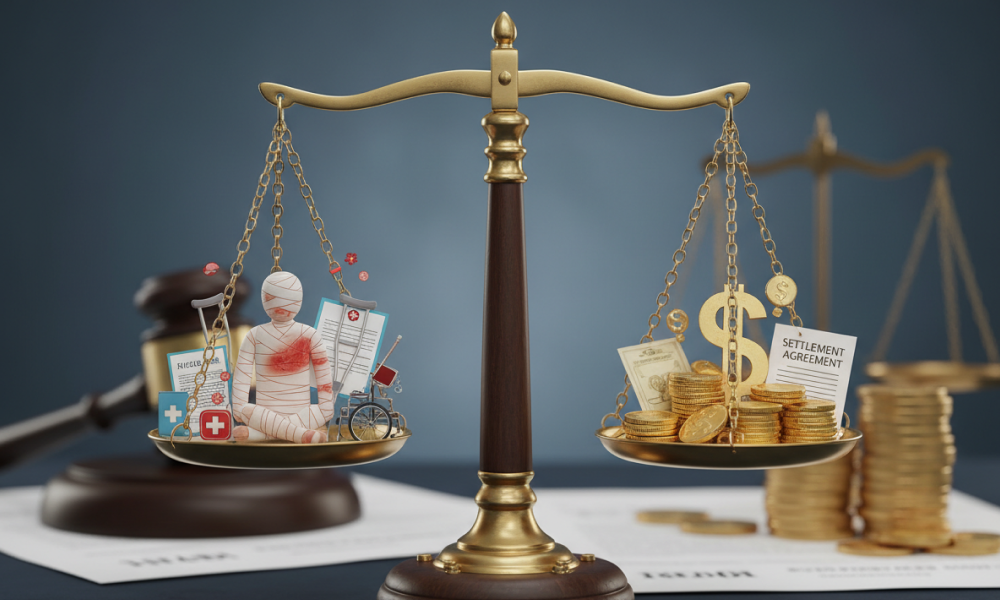
Compensation Available After a Fatal Workplace Accident
Compensation after workplace fatal accidents may depend on the facts of the case and the available legal claims.
Families may recover:
- Workman’s compensation benefits upon death
- Costs incurred from funeral and burial services
- Lost income for dependents
- Medical bills related to the injury
- Damages obtained through wrongful death claims
- Recovery obtained through third-party claims
The type and extent of recovery will be based on state statutes and the facts of the case.
Conclusion
Workplace fatal accidents can leave families dealing with emotional and financial hardship at the same time. Many of these accidents are linked to unsafe working conditions, poor safety practices, or preventable hazards.
Employers have a responsibility to maintain safe workplaces and follow required safety regulations. When those responsibilities are ignored, serious accidents can happen.
Understanding legal rights after a workplace death may help families protect their financial interests and better understand the options available after a tragic loss.
FAQs
What should families do after a fatal workplace accident?
Families need to obtain any relevant paperwork, get accident reports, and be informed of what their rights are. Talking to a lawyer can be helpful in some cases.
Can families file a lawsuit after workplace fatal accidents?
Yes, depending on circumstances. Although the workers’ compensation system may restrict suing the employer, there might be claims against other parties.
What causes most workplace fatal accidents?
Falls, heavy equipment accidents, electrical hazards, unsafe job sites, and lack of safety training are common causes of workplace fatalities.
Who investigates a fatal workplace accident?
Investigations may involve workplace safety agencies, insurance companies, employers, and legal representatives.
Can an employee’s fatal injury lead to additional compensation claims?
Yes. If another party contributed to the accident, families may pursue additional compensation outside workers’ compensation benefits.