
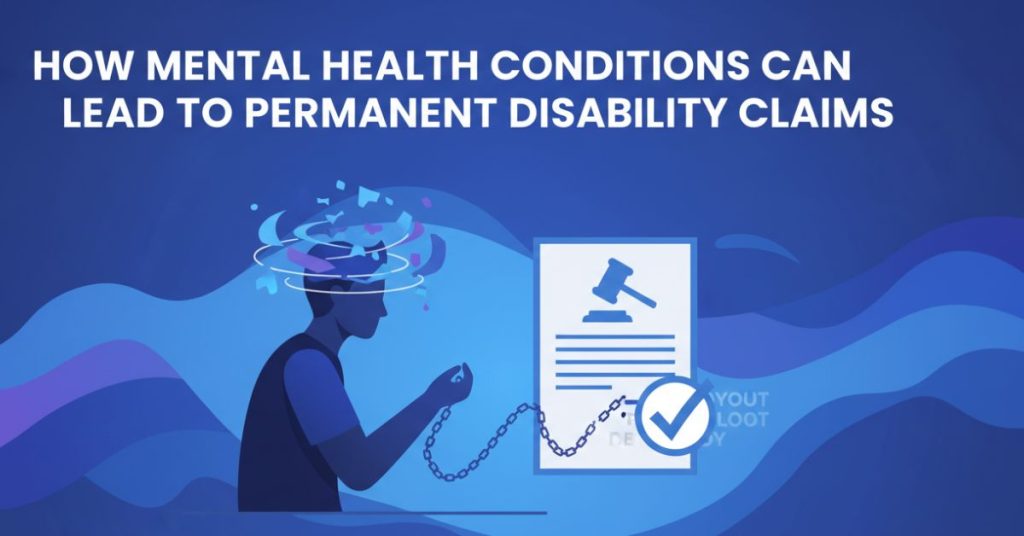
Mental health conditions can affect much more than emotional well-being. For some people, symptoms become severe enough to interfere with work, communication, focus, and daily responsibilities. In serious cases, individuals may no longer be able to maintain stable employment for long periods of time.
Depression, anxiety disorders, PTSD, bipolar disorder, and even schizophrenia may have effects that will be felt permanently within the workforce. While some individuals have problems in maintaining concentration and attendance at work, others may find it difficult to cope with the pressures of working or interacting with other workers due to their illness.
When symptoms continue despite treatment, a person may qualify for permanent disability mental health benefits. These claims are often based on medical records, treatment history, and evidence showing how the condition limits the ability to work.
What Is a Permanent Disability Claim?

A permanent disability claim is an instance where the individual has a psychological or physical issue that causes a hindrance in their ability to perform work tasks efficiently. In certain cases, the disability may be cured with medication or treatments, whereas in other cases it may persist for many years even after proper treatment.
Permanent disability mental health claims require a detailed examination since there is no concrete way of proving that the applicant suffers from some kind of mental problem.
Difference Between Temporary and Permanent Disability
Temporary disability generally involves conditions expected to improve over time. A person may recover after treatment and eventually return to work.
Permanent disability applies when symptoms continue to interfere with employment for an extended period. Some individuals with severe anxiety disability symptoms may struggle to perform even basic workplace responsibilities consistently.
For example, a worker experiencing panic attacks, severe depression, or PTSD may have difficulty attending work regularly or handling daily tasks without emotional distress.
How Disability Claims Work?
Disability claims often involve several steps. Medical records, psychiatric evaluations, therapy history, and physician statements may all become part of the review process.
Insurance providers may also examine whether the person can still perform job duties or adjust to another type of work. In permanent disability mental health cases, proving work-related limitations is usually one of the most important parts of the claim.
Mental Health Conditions Commonly Linked to Permanent Disability Claims
Different mental health conditions can affect work ability in different ways. Some people experience emotional instability, while others deal with concentration problems, panic attacks, or severe social withdrawal.
-
Severe Depression
Depression affects the individual’s energy levels, sleeping habits, focusing abilities, and motivation. In extreme situations, the individual will have difficulty accomplishing their tasks daily or even attending work regularly.
A person dealing with emotional trauma disability claims related to depression may also experience physical symptoms such as fatigue, headaches, or sleep disruption that further affect job performance.
-
Anxiety Disorders
Disorders related to anxiety may include panic disorder, generalized anxiety disorder, or social anxiety disorder. There are cases where patients suffer from constant worries as well as physical reactions to the extent that they can no longer concentrate or communicate with others.
Workers dealing with severe anxiety disability symptoms may avoid meetings, struggle with deadlines, or experience panic attacks during stressful situations. Even routine tasks can become difficult when anxiety symptoms are severe and ongoing.
-
Post Traumatic Stress Disorder
PTSD may occur after suffering from traumatic incidents like work-related accidents, abuse, war, and other major events. Some symptoms associated with PTSD can be nightmares, flashbacks, distressing emotions, and an inability to feel secure in some environments.
People filing emotional trauma disability claims connected to PTSD often report difficulty sleeping, concentrating, or functioning in busy work settings. Some individuals may avoid situations that trigger traumatic memories.
-
Bipolar Disorder
Bipolar disorder can involve significant mood changes that affect work stability. Periods of depression may reduce energy and motivation, while manic episodes can affect judgment, focus, and decision-making.
Maintaining a consistent work schedule may become difficult when symptoms shift unpredictably over time.
-
Schizophrenia and Serious Psychiatric Disorders
Schizophrenia and similar psychiatric conditions may affect thinking, communication, and perception. Hallucinations, cognitive difficulties, and emotional withdrawal can interfere with daily functioning and workplace interaction. These conditions often require long-term treatment and may significantly affect independent work ability.
How Mental Health Conditions Can Affect Work Ability?
Mental health work incapacity may appear differently from person to person. Some individuals can continue working with treatment and accommodations, while others experience symptoms severe enough to prevent stable employment.
-
Trouble Maintaining Attendance
Therapy sessions, feelings of exhaustion, insomnia, or panic attacks can cause an individual to be absent from work.
People with severe anxiety disability symptoms sometimes struggle with leaving home, traveling to work, or functioning in crowded environments. Consistent attendance can become difficult during periods of worsening symptoms.
-
Reduced Focus and Productivity
Mental health disorders may impact attention, memory, and the process of making decisions. Some employees have trouble finishing tasks, obeying directions, or organizing their work during the day.
Mental health work incapacity may also involve slower task completion, reduced productivity, or problems handling pressure in fast-paced work environments.
-
Workplace Communication Challenges
Communication problems are common in many psychological conditions. Some individuals avoid interaction due to anxiety or emotional distress, while others struggle with irritability, mood changes, or social withdrawal. These issues may affect teamwork, customer service responsibilities, or relationships with supervisors and coworkers.
Medical Evidence Needed for Mental Health Disability Claims
The presence of strong medical proof is very crucial in most cases of mental health disability. This is because insurance companies or disability organizations require proof of continuous symptoms interfering with working capability.
-
Professional Diagnosis and Mental Health Evaluations
In many cases, professional assessment by a psychiatrist, psychologist, or mental health professional is required. Evaluations can include descriptions of symptoms, cognitive impairment, emotional functioning, and treatment plans. Information from psychiatric evaluations will assist in illustrating how the condition impacts one’s ability to work.
-
Treatment History and Therapy Records
Therapy notes, medication records, and ongoing treatment history may support a claim. Consistent treatment often shows that the person has attempted to manage symptoms over time.
In emotional trauma cases, medical professionals will also describe the impact of the symptoms on working capacity and personal life functioning.
-
Statements from Mental Health Professionals
Doctors and therapists may provide written opinions describing work limitations connected to the condition. These statements sometimes explain why a person cannot maintain stable employment due to psychological symptoms.
Some individuals also consult a Permanent disability lawyer when preparing documentation or responding to claim denials.
Appealing a Denied Mental Health Disability Claim

A denied claim does not always mean the case is over. Additional evidence may help strengthen an appeal.
Reviewing the Reason for Denial
Some claim denials happen either due to incomplete documentation or due to the fact that the insurer feels that the disability does not prevent someone from working. Knowing the basis for denial will help to determine which additional proof is needed.
Strengthening the Appeal
Psychiatric and medical evaluations, along with therapy reports,s can assist in building an appeal. Supporting documents regarding restrictions at the workplace can add to the case.
Factors That Can Affect Mental Health Disability Claims
Several factors may affect whether a claim is approved or denied.
1. Proving Invisible Symptoms
Unlike physical injuries, mental health symptoms are not always visible during medical exams. Insurance companies may request additional evaluations or detailed treatment records before approving benefits.
Mental health work incapacity often depends on how symptoms affect daily functioning over time rather than a single medical test.
2. Delays in Seeking Treatment
Some individuals delay treatment due to stigma, lack of funds, and fears of being discriminated against at work. The delay in seeking help might have future implications regarding claims from an insurance firm.
3. Insurance Company Reviews and Claim Denials
Insurance providers may question whether symptoms are severe enough to prevent employment. Some denials involve missing records, inconsistent treatment history, or disputes about work limitations.
Professionals working in insurance claims psychology sometimes review medical evidence to evaluate emotional and cognitive impairment claims.
Compensation and Benefits Available Through Disability Claims
Some of the advantages that come with disability claims are:
- Monthly disability payments
- Long-term financial support
- Medical treatment coverage in some cases
- Private disability insurance benefits
- Government disability program benefits
The type of compensation depends on the policy, disability program, and medical evidence supporting the claim.
Conclusion
Mental health conditions can affect work ability, relationships, concentration, and daily functioning in serious ways. For some individuals, symptoms continue despite therapy, medication, and ongoing treatment.
Permanent disability mental health claims may provide financial support for people who can no longer maintain stable employment because of psychological conditions. Strong medical records, treatment history, and documentation of work limitations often play an important role during the claims process.
FAQs
Are mental disabilities eligible for disability status?
Yes, in case there is a serious disorder which causes significant difficulties when working.
What type of medical documentation can support a disability application?
The patient’s medical records, psychiatry reports, counseling records, and other relevant documents are typically utilized as medical evidence in disability applications.
Are anxiety and depression sufficient to stop one from working?
Yes, conditions that consist of panic attacks, erratic behavior, or the inability to concentrate might affect someone’s ability to work steadily.
Why are mental health disability claims sometimes denied?
Disability claims may be rejected for lack of documentation, lack of consistency, or disagreements on work restrictions.
How long does the disability claim process usually take?
The timeline varies depending on the insurance provider, medical evidence, and whether appeals are necessary.