
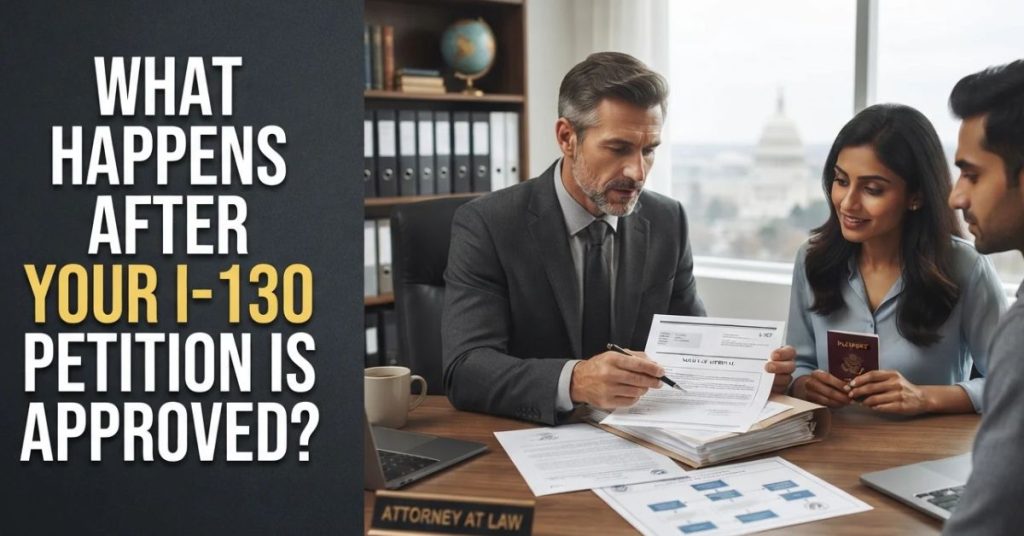
Getting that approval notice in the mail feels like the finish line, but it’s really just the starting gun for the next leg of the race. Understanding what happens after I-130 approval matters just as much as getting the petition approved in the first place, because the path from here looks completely different depending on where your relative lives and which family category your case falls under.
This guide walks through exactly what comes next, so the months (or sometimes years) ahead feel less like a mystery and more like a plan.
Understanding What Happens After I-130 Approval
An approved I-130 confirms one thing: USCIS recognizes the qualifying family relationship between the petitioner and the beneficiary. It doesn’t, by itself, grant a green card or even guarantee one is coming quickly. What happens after I-130 approval depends heavily on whether your relative qualifies as an “immediate relative,” like a spouse, parent, or unmarried child under 21 of a U.S. citizen, or falls into a preference category with annual numerical limits and potentially long waiting periods.
I-130 Approval Next Steps for Immediate Relatives
For immediate family members, the I-130 approval up next can be somewhat quick. If the family member is in the U.S. on a valid visa, they can begin filing for adjustment of status. However, if they are outside of the U.S., their application will go to the National Visa Center to start collecting the documents that are needed for a visa interview at a U.S. consulate. Since there is no annual quota for immediate family immigrant visas, immediate family visa numbers do not have to be waited for.
After I-130 Approval: What the National Visa Center Does
Once the case arrives at the National Visa Center, the process begins. After approval, the National Visa Center gives a case number, collects civil documents and financial support papers, and finally books an interview date after everything is checked properly.
I-130 Approved: What Next for Family Members Abroad or in the U.S.?
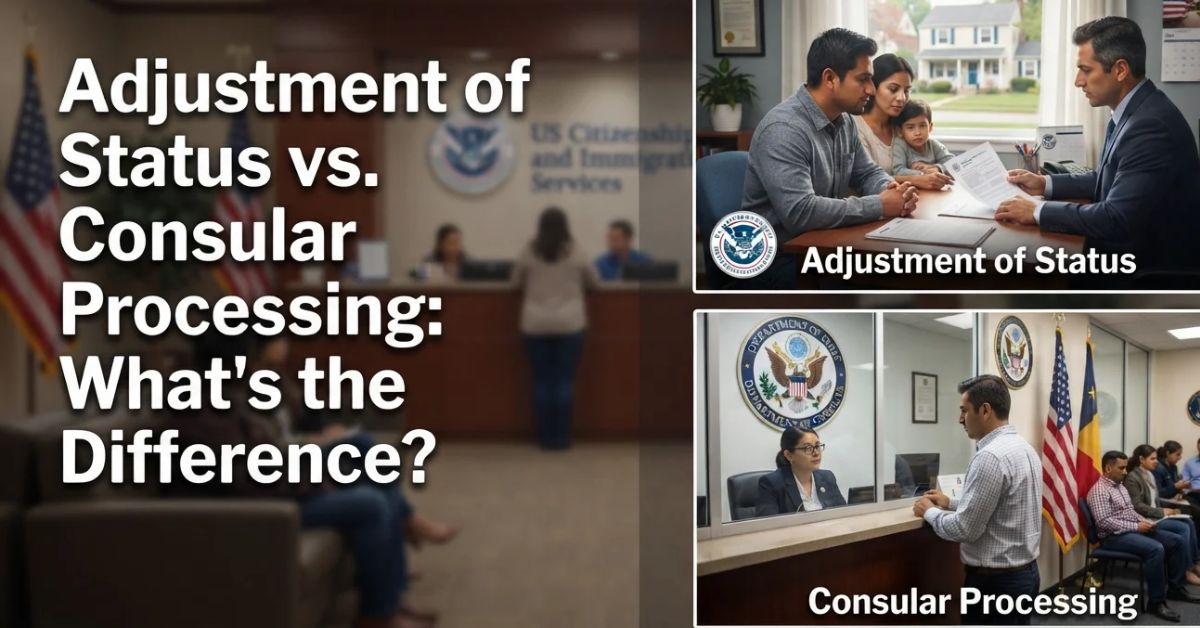
What happens after I-130 gets approved? There are two different paths that your family members must take depending on their current location. Members who are already in the U.S. would file Form I-485 and make the required application for adjustment of status. Members who are outside the U.S. would go through the consular processing option through NVC, and they will have to go for an interview at the U.S. embassy or consulate in their respective country. Each of these processes reaches the same end; that is, green card issuance, but involves different forms and payments.
Why the Family Immigration Process Doesn’t Stop at Approval
It may appear that after getting the I-130 approval, the hard work is done, but that is just the start of the family immigration process, which involves steps such as medical examination, biometric appointments, interview preparation, etc.
How the Green Card Process Continues From Here
From approval to green card in hand, the green card process typically includes a background check, an in-person interview, and, for marriage-based cases filed within two years of the marriage, approval of a conditional two-year green card rather than a permanent one. That distinction matters quite a bit down the line, since conditional residents face an additional filing requirement their permanent counterparts don’t.
Marriage-Based Cases: Don’t Forget the I-751 Down the Road
If your green card came through marriage and was approved within two years of your wedding date, it arrives as conditional rather than permanent. Roughly 90 days before that two-year conditional card expires, you’ll need to file Form I-751 to remove the conditions, typically jointly with your spouse. If your marriage has ended or circumstances have changed, you may need to request a waiver of the joint filing requirement, and getting I-751 waiver help NY early can prevent a gap in status while that petition is pending.
What the Waiting Period Actually Feels Like
Clients often tell us the hardest part isn’t the paperwork; it’s the uncertainty of not knowing exactly when things will move forward. Part of how we’ve built our practice reflects an understanding of the psychology behind customer satisfaction: clear communication and realistic expectations reduce anxiety far more than vague reassurances ever could. Knowing roughly what to expect, even when exact dates aren’t available, makes a genuinely difficult wait easier to manage.
Staying on Top of Deadlines and Requests

While the USCIS and NVC each move forward on their own schedule, it is still vital to stay on top of deadlines and requests because any delays on your part can mean serious consequences to your case. Missing a request for evidence deadline, not updating your address, or not submitting the proper documents can delay your case for months more than it otherwise would have taken. Therefore, make sure to keep copies of all of your submissions and keep track of deadlines because that will reduce delays that you could have avoided.
Get Help Navigating What Comes Next
If you’re trying to figure out what happens after I-130 approval for your specific situation, The Rochester Law Firm PLLC near me has helped countless families through every stage of this process, from the initial petition through the final interview and beyond. Every case moves a little differently, and having guidance through each step makes the distance between approval and a green card in hand feel a lot shorter.
Frequently Asked Questions
How long does it take to get a green card after I-130 approval?
For immediate relatives, the process can take anywhere from several months to about a year. Preference category cases can take considerably longer, sometimes several years, depending on the visa bulletin and country of origin.
Do I need a lawyer after my I-130 is approved?
It’s not required, but legal guidance can help avoid delays caused by incomplete documentation or missed deadlines, especially for cases involving conditional residency or prior immigration complications.
What happens if my priority date isn’t current yet?
Your case simply waits until your priority date becomes current according to the monthly visa bulletin. There’s no way to speed this up beyond staying prepared so you can move quickly once it does.
Can my I-130 be revoked after approval?
In rare cases, yes, typically if fraud is discovered or if the petitioner passes away before the process is complete, though certain exceptions and humanitarian provisions may apply in the latter situation.