
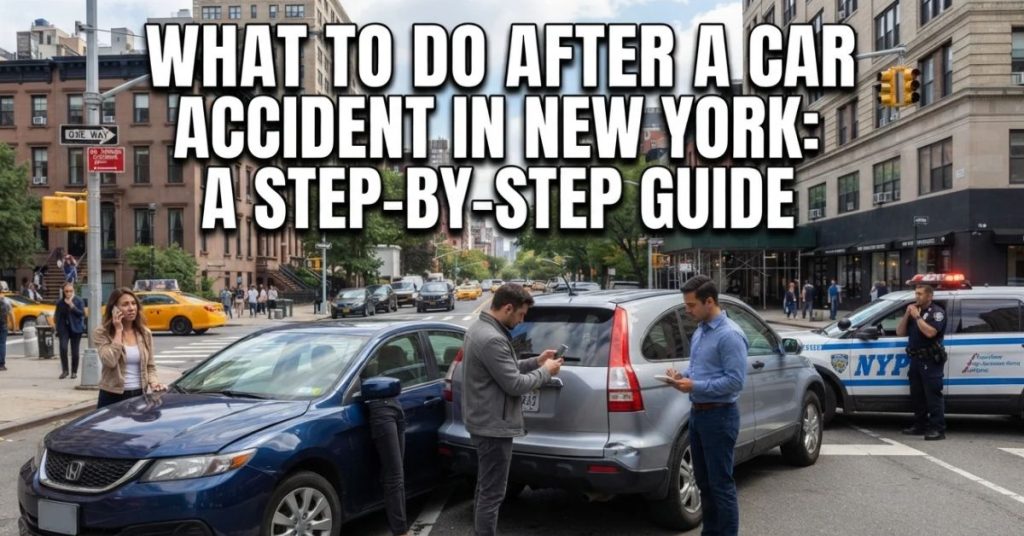
When you are involved in a car crash, it is not easy to know what the perfect path of action is. With the high levels of adrenaline, the extent of damage done to the vehicle is quite low on your priorities. Nonetheless, those first few minutes following an accident are crucial in determining everything that will be set in motion afterward, including your recovery and your insurance settlement, among other things.
This guide walks through exactly what to do after a car accident in New York, from the second the impact happens to the moment you decide whether you need legal help.
Your Car Accident Checklist for the First Few Minutes
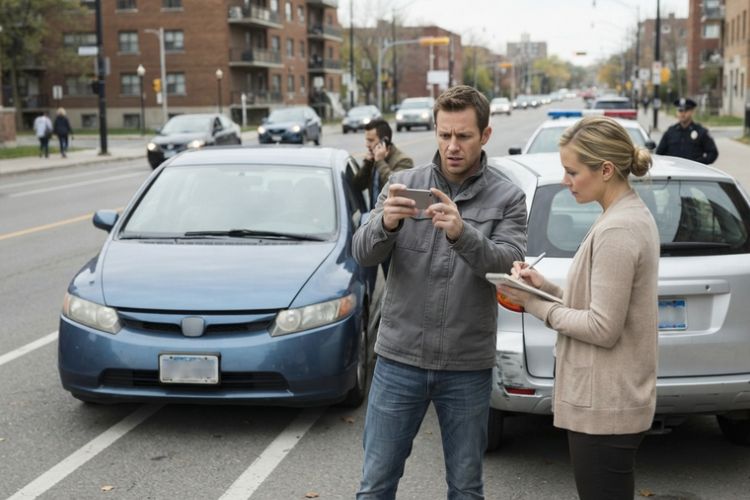
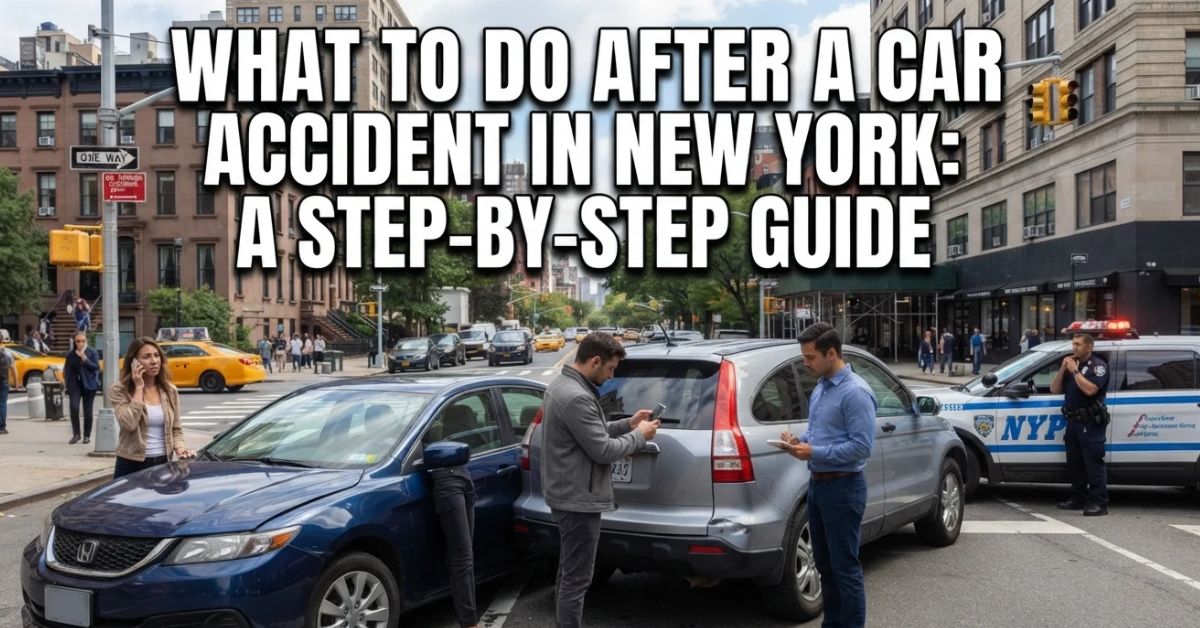
Before anything else, safety comes first. If you’re able to, move your vehicle out of traffic and turn on your hazard lights. Check yourself and any passengers for injuries, and call 911 immediately, even for accidents that seem minor. A basic car accident checklist for this stage looks like:
- Confirm everyone’s safety and call for medical help if needed
- Contact the police and wait for an officer to arrive
- Avoid discussing fault with the other driver
- Move to a safe location away from moving traffic, if possible
These first few actions set the tone for everything that comes after, so resist the urge to rush through them.
What to Do After a Car Accident in NY When Police Arrive
Once officers arrive, cooperate fully but stick to the facts. Describe what happened without guessing or speculating about who caused the crash; that determination isn’t yours to make on the spot. Request a copy of the police report number before you leave, since you’ll need it later for insurance and, potentially, legal purposes.
This is also the point where many people forget one crucial detail: get the other driver’s name, insurance information, license plate, and contact number directly, rather than relying solely on the officer’s report to capture everything accurately.
Documenting the Scene Before You Leave
The evidence provided through pictures and videos is very helpful and may become difficult to obtain once you have left the scene of the accident. When taking the pictures, make sure to cover all damaged vehicles, road conditions around the accident spot, skid marks if there are any, signal lights on or off, or weather conditions at that time. If there are witnesses around the place, get their full names and other contact details because they can provide you with important information that can become useful later.
Reporting a New York Car Accident to Your Insurance
Many insurance policies indicate that car accidents have to be reported as soon as possible after they occur. It is advisable to call your insurance provider about the accident within a day, and no later than two days after the accident took place. When calling your insurer, you should stick with the facts and not speculate upon who is to blame.
Keep in mind that the other driver’s insurance company may reach out too. You’re not obligated to give them a recorded statement, and it’s often wiser to speak with an attorney first before doing so.
What to Do After a Car Accident: Legal Steps You Shouldn’t Skip
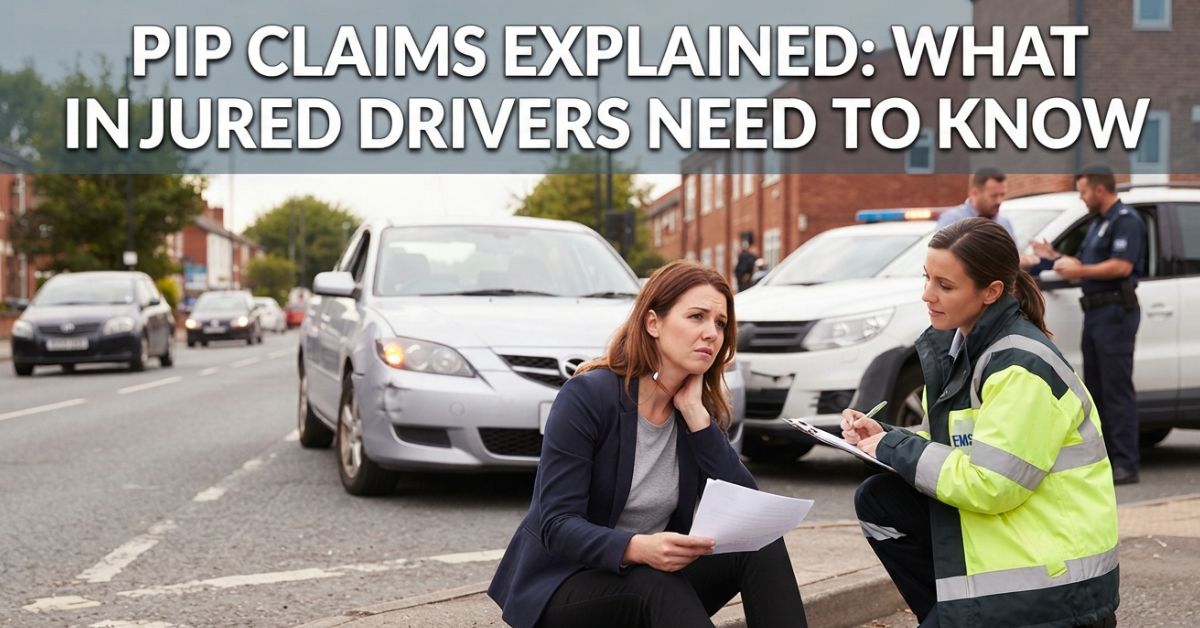
Certain legal steps matter regardless of how minor the crash seemed at first. New York follows a no-fault insurance system, meaning your own policy typically covers initial medical expenses, but that doesn’t mean you’re barred from pursuing further compensation if your injuries are serious or cross certain thresholds defined by state law.
This is where working with a firm that understands what to do after a car accident becomes valuable. As the best law firm in New York for accident victims should be able to tell you, missing a filing deadline or accepting a quick settlement before your injuries are fully understood can cost you far more than the time it takes to consult an attorney first.
Medical Care: The Most Important Step in Your Recovery
No car accident checklist is complete without medical evaluation, even if you feel okay immediately after the crash. Adrenaline can mask pain for hours or days, and some injuries, like whiplash or internal bruising, don’t show obvious symptoms right away. Seeing a doctor promptly also creates a medical record tying your injuries directly to the accident, which becomes critical if you ever need to prove your damages later.
When Accidents Involve Serious Injury or Death
Some collisions go far beyond property damage and minor injuries. Catastrophic crashes can leave victims with permanent disabilities, and in the worst cases, families are left grieving a sudden loss. The Rochester Law Firm’s experience extends well beyond the roadway too, from workplace fatal accidents to devastating highway collisions, and the same urgency around preserving evidence applies across all of them. Acting quickly to secure black box data, surveillance footage, and witness statements can make an enormous difference in these more serious cases.
Insurance Companies and What to Do After a Car Accident in NY Claims
Insurance adjusters aren’t working for you, even when they sound friendly. Their job includes minimizing payouts wherever possible, so it helps to understand what to do after a car accident in NY before you’re negotiating against a trained professional. Avoid accepting the first settlement offer without understanding the full cost of your medical treatment, lost wages, and long-term recovery needs.
Building Your Case With Legal Support
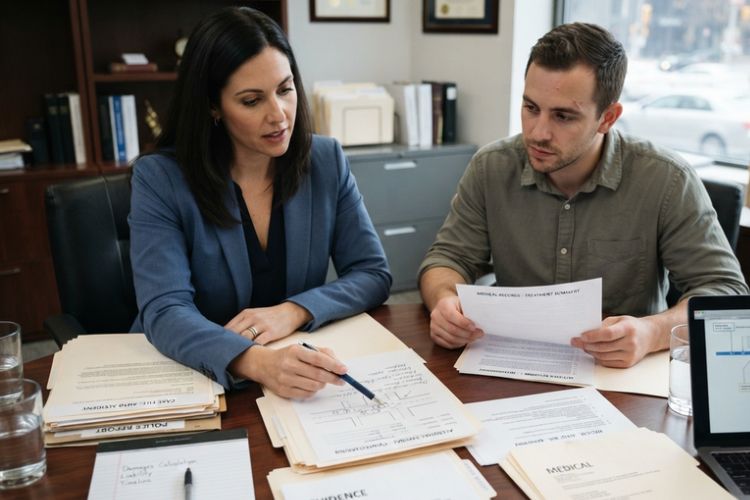
Once the immediate aftermath settles, many people start wondering what the car accident legal process actually involves. It typically starts with gathering documentation: medical records, repair estimates, lost wage statements, and the police report. From there, an attorney can negotiate directly with insurance companies or, if necessary, file a lawsuit to pursue fair compensation on your behalf.
What to Gather Before You Talk to an Attorney
Before your first consultation, gather what you can: the police report, photos from the scene, medical records so far, insurance correspondence, and a written timeline of events while your memory is still fresh. Having this ready helps your attorney evaluate your case quickly and identify what additional evidence might be needed.
Why Waiting Puts Your Claim at Risk
New York’s statute of limitations gives injured drivers a limited window to file a lawsuit, and evidence tends to disappear the longer a case sits untouched. Surveillance footage gets overwritten, witnesses’ memories fade, and vehicles get repaired or scrapped. Any New York car accident victim considering legal action benefits from acting sooner rather than later, even if they’re still unsure whether they want to pursue a claim.
Let Us Help You Move Forward
Knowing what to do after a car accident can feel overwhelming, especially while you’re recovering physically and emotionally. At The Rochester Law Firm, we handle the legal complexity so you can focus on getting better. If you’ve been in a crash anywhere in New York, reach out for a free consultation to discuss your options.
Frequently Asked Questions
Do I need to call the police after every car accident in New York?
Yes, especially if there’s injury, death, or property damage over $1,000. New York law requires drivers to report accidents meeting these thresholds to the DMV within 10 days if police weren’t called to the scene.
What if I didn’t feel injured right after the accident?
That’s common. Many injuries, including whiplash and concussions, don’t show symptoms immediately. It’s still worth seeing a doctor within a day or two to catch anything that might develop later.
How long do I have to file a car accident claim in New York?
Generally, you have three years from the date of the accident to file a personal injury lawsuit, though this can vary depending on the specifics of your case, so it’s best to confirm your exact deadline with an attorney.
Should I accept the insurance company’s first settlement offer?
Not without careful thought, and not without understanding what to do first in a car accident legal timeline. Initial offers are often lower than what your claim is actually worth, especially if your medical treatment or the full extent of your damages hasn’t been finalized yet.