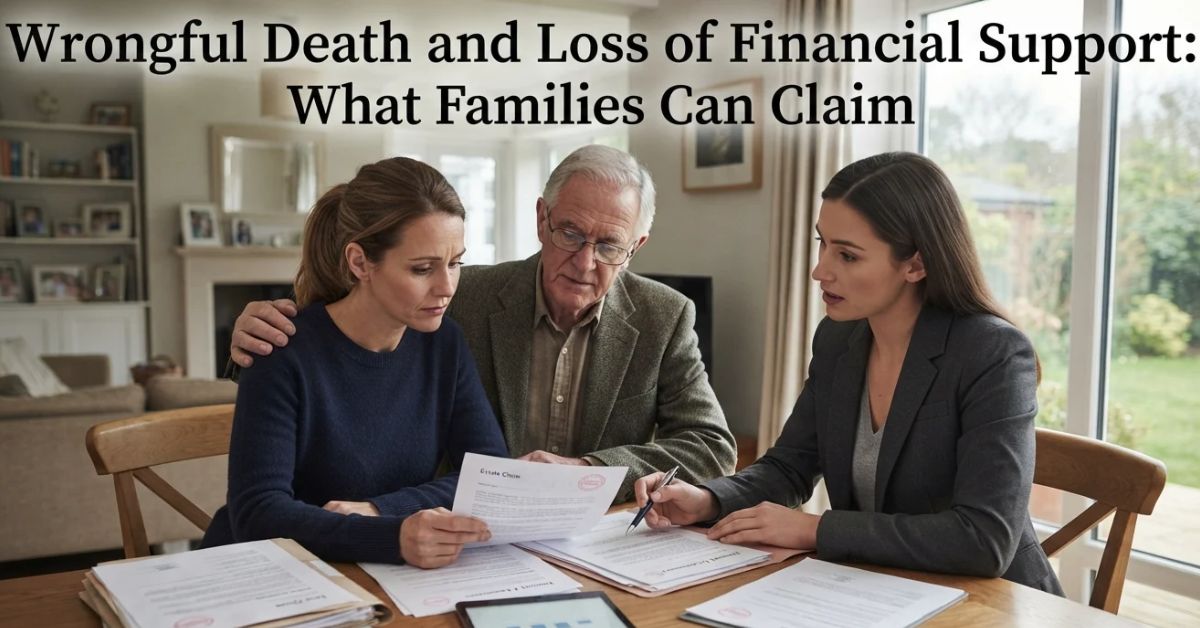
A sudden death caused by another person’s negligence can change a family’s life in a matter of minutes. Along with grief, families may face medical bills, funeral costs, lost income, and the loss of financial support they depended on. These losses can become especially difficult when the person who died was the primary wage earner or provided important services at home.
New York law may allow certain family members to seek compensation for the financial impact of a wrongful death. This can include lost income, financial support, household services, and certain expenses related to the death. Knowing what counts as wrongful death losses can help families understand what records and information they may need when considering a claim.
What Is a Wrongful Death Claim in New York?
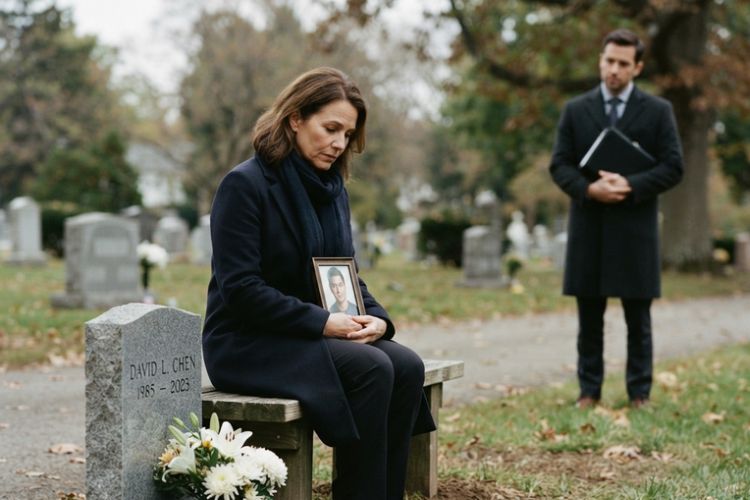
A wrongful death claim may arise when a person’s death results from another party’s wrongful act, neglect, or default. In New York, damages are generally based on the pecuniary injuries suffered by eligible distributees. These can include lost financial support, household services, medical expenses, and funeral expenses.
The person who brings the case is generally the personal representative of the deceased person’s estate. The recovery is then distributed among those legally entitled to it based on their individual financial losses.
Who Can Benefit From a Wrongful Death Claim?
A surviving spouse or child may have a claim for financial losses caused by the death. Parents and other eligible distributees may also qualify in certain circumstances. Simply being related to the deceased does not automatically mean a person can recover damages.
The amount of compensation can also differ between family members. One person may have depended on the deceased for regular financial support, while another may have suffered a different type of economic loss. New York law provides that recovered damages are distributed based on the pecuniary injuries suffered by the people entitled to them.
What Counts as Loss of Financial Support?
Loss of financial support means the money and other financial help a deceased person would likely have continued providing to their family. This can include contributions toward rent or a mortgage, groceries, utility bills, school costs, transportation, and other everyday household expenses.
Working out these wrongful death losses is not as simple as multiplying the person’s salary by the number of years they could have worked. Their age, job, income history, future earning potential, family situation, and the amount they actually contributed to the household can all affect the calculation. Documents and financial records can help show the value of the support the family has lost.
What Financial Losses Can Families Claim?
New York wrongful death law focuses on pecuniary injuries, meaning losses that have an economic value. Wrongful death damages may include several categories depending on the facts of the case.
-
Lost Income and Future Earnings
A family may lose an important source of income when a loved one dies. The potential loss can involve wages the person was earning before death as well as income they could reasonably have earned in the future. Employment records, tax returns, pay statements, career history, age, and earning capacity can help establish this loss.
The calculation can become more complex when the deceased was young, self-employed, recently promoted, or expected to advance in their career. Courts may consider evidence supporting both past and future earnings rather than relying on a simple estimate.
-
Loss of Household Services
Not every contribution comes in the form of a paycheck. A parent may provide childcare, a spouse may handle household responsibilities, or a family member may provide transportation, maintenance, and other services.
The loss of these services can create real financial consequences because the surviving family may need to pay someone else to perform work the deceased previously handled. New York courts have recognized loss of household services as part of the economic value that may be considered in a wrongful death case.
-
Loss of Parental Guidance
Losing a parent can affect a child in ways that go beyond the loss of income. In some cases, the value of the guidance, education, care, and support the parent would have provided may be considered when assessing the family’s financial losses. The child’s age, family circumstances, and relationship with the deceased can all play a role. Medical costs related to the injury and reasonable funeral expenses may also be recoverable under New York law, depending on the circumstances of the case.
Can Families Recover for Grief and Emotional Pain?
This is one of the most common questions families have. Under current New York wrongful death law, wrongful death damages generally focus on pecuniary injuries rather than compensation for grief, emotional suffering, or loss of companionship. The statute specifically describes recovery in terms of pecuniary injuries resulting from the death.
That distinction can be difficult for families because the emotional impact of a death may be enormous. However, the wrongful death claim is generally focused on financial losses recognized by law. New York has also seen legislative proposals seeking to expand recovery for grief and anguish, but the current statute remains the controlling authority for the applicable claim.
How Is Loss of Financial Support Calculated?
There is no single formula that applies to every family. A calculation may consider the deceased person’s income, employment history, expected future earnings, age, family responsibilities, and financial contributions to the household.
Documentation can make a major difference. Tax returns, pay stubs, employment records, bank statements, retirement information, household bills, and evidence of services provided by the deceased can help establish wrongful death claim compensation. Families should preserve these records instead of relying on memory after a devastating event.
What Evidence Can Support a Claim?
Keeping the right records can make it easier to show how the death affected the family financially. Useful documents may include the death certificate, medical records, accident reports, employment records, tax returns, pay stubs, bank statements, funeral bills, and anything that shows the support the deceased provided at home.
For example, bank statements and household bills can show how much the deceased contributed to everyday expenses. If they cared for children, managed household responsibilities, or provided regular support in other ways, those contributions may also be considered. Looking at the full picture helps show the family’s wrongful death losses instead of focusing only on lost income.
What Happens During a Wrongful Death Case?
A wrongful death case usually begins with an investigation into how the death occurred and who may be legally responsible. The estate’s representative and legal team may collect accident reports, medical records, employment information, financial documents, and other evidence.
The family’s wrongful death claims may then be presented to the responsible party or insurance company. Negotiations can result in a wrongful death settlement if the parties reach an agreement. If they cannot agree on appropriate compensation, a lawsuit may continue through litigation and potentially trial.
The value of a wrongful death settlement depends on the evidence and circumstances of the case. Income, future earning capacity, financial dependence, household services, medical expenses, funeral costs, and other recognized losses can all affect the potential recovery.
Wrongful Death Claim vs Survival Action
A wrongful death claim and a survival action are not the same. A wrongful death claim addresses the financial losses experienced by eligible family members after a person dies because of another party’s wrongful conduct. A survival action involves claims the deceased person could have pursued while alive, which may continue through the estate after death.
For example, a survival action may include compensation for the pain and suffering the person experienced before passing away. Those damages are generally connected to the deceased person’s own claim and become part of the estate, rather than being a direct claim for the family’s financial losses. In New York, both types of actions may sometimes be pursued in the same case, depending on the circumstances.
Understanding this distinction matters when assessing potential wrongful death claim compensation. A family may have more than one legal issue arising from the same event, and each can involve different types of damages.
How Long Do Families Have to File?
In New York, families generally have two years from the date of death to file a wrongful death lawsuit. But that deadline is not the same in every situation. Certain cases, such as those involving a government agency, may have different rules or shorter notice requirements.
It is better not to wait until the deadline is getting close. Starting the process early gives the family time to gather important records, preserve evidence, and figure out who has the legal right to bring the case.
What Can Affect Wrongful Death Claim Compensation?
The amount a family may recover can depend on several details, including the deceased person’s income, age, expected working years, family responsibilities, financial contributions, and the household services they provided. The strength of the records and other evidence supporting these losses can also make a difference.
There is no single number that can accurately predict wrongful death claim compensation. Each case depends on the family’s circumstances, the applicable New York law, and the evidence available to show the financial impact of the death.
It is also important to look beyond a person’s paycheck. Depending on the circumstances, household services, parental guidance, potential inheritance, medical expenses, and funeral costs may all be considered when calculating wrongful death losses.
Common Mistakes Families Should Avoid

- Waiting too long to take action can make a case harder to handle. Evidence may become difficult to find, witnesses may be harder to reach, and important legal deadlines can pass. Getting legal advice early can help a family understand its options.
- Failing to keep financial records can also create problems. Pay stubs, tax returns, bank statements, household bills, and other documents can help show how much financial support the deceased provided to the family.
- Accepting a settlement too quickly is another mistake. An early wrongful death settlement may not fully account for future income, household services, medical expenses, or other losses. Families should understand the full value of their potential claim before agreeing to an offer.
- Families should also consider whether other forms of compensation may apply. If the death happened at work, work accident compensation or another legal remedy may be available depending on the circumstances.
Final Thoughts
If you are dealing with the loss of a loved one, the financial pressure that follows can make an already painful situation even harder. Lost income, financial support, household services, medical bills, and funeral costs can affect a family’s future. New York law may allow recovery for certain economic losses, depending on the circumstances.
The Rochester Law Firm can review your situation, explain your legal options, and help you understand what evidence may support a wrongful death claim. Getting legal guidance early can help you understand your rights and potential wrongful death claim compensation before making important decisions.