
You’ve submitted your green card application, completed your biometrics appointment, and waited months for a decision. But every time you check your case, there’s no meaningful update. At this point, you may be asking, why is my green card taking so long, especially when other applicants seem to have received their approvals already?
There isn’t always one clear reason why your green card is taking longer than expected. USCIS may have a backlog of applications, need more paperwork from you, or still be checking your background. You could also be waiting for a visa number to become available. The next step depends on what’s holding up your application and how long it’s been pending.
How Long Should a Green Card Application Take?

There isn’t a fixed waiting period for every green card application. How long yours takes depends on the type of green card you’re applying for and which USCIS office is handling your case. Marriage-based, family-sponsored, and employment-based applications can all have different processing times.
Even after USCIS approves your Form I-130 or I-140 petition, you might still have some waiting to do. If you’re applying for a green card while living in the United States, USCIS generally must also approve your Form I-485 before you can become a permanent resident. Although USCIS publishes estimated processing times, your case may take longer depending on your circumstances.
If you’re asking why your green card is taking so long, compare your filing date with the current estimates on the USCIS processing times page. Once you receive permanent residence, you may also want to learn about the next stage of your immigration journey. The firm’s article How Long Does It Take to Become a U.S. Citizen covers naturalization timelines and requirements.
Common Reasons Your Green Card Application Is Still Pending
USCIS Backlogs and Heavy Caseloads
USCIS offices deal with a large number of immigration applications every day. Some offices have more cases to handle than others, so the waiting time can vary depending on where your application is being processed. The number of available staff and changes in office procedures can also affect how long it takes to receive a decision.
It’s frustrating to see someone else get their green card when you filed your application months before them. But USCIS doesn’t always process applications in the order they arrive. Your paperwork may be sitting at a busier field office, or an officer may still be waiting for the results of a background check. These differences can lead to green card processing delays, even when you’ve submitted everything USCIS asked for.
Missing Documents or Requests for Evidence
If USCIS finds that something is missing from your application, it may send you a Request for Evidence (RFE). This could happen if you haven’t provided enough proof of your marriage, your financial sponsorship paperwork is incomplete, or your medical examination documents are missing. The notice will explain what USCIS needs from you.
If USCIS sends you an RFE, read it carefully to see what documents they need and when you must send them. Try to gather everything they’ve asked for and submit your response before the deadline. Missing important paperwork or responding too late could delay your green card application or lead to a denial.
Background Checks Take Additional Time
Before USCIS makes a decision on your green card, they check your fingerprints, immigration history, and any criminal records. Sometimes, information in these records needs to be checked with another government agency, which can take longer. Your application may remain pending until those checks are finished.
Even if you’ve already attended your biometrics appointment, that doesn’t mean all the background checks are complete. Some records may take longer to verify, particularly when information needs to be obtained from another agency. If you’ve been asking why your green card is taking so long, an unfinished background check could be one possible explanation.
Visa Availability and Priority Dates
Certain family-sponsored and employment-based applicants must wait for an immigrant visa number to become available. Their place in line depends on factors including the preference category, priority date, and country of chargeability.
The Department of State publishes a monthly Visa Bulletin showing which priority dates are current. Sometimes dates move backward, a situation known as visa retrogression. This can prevent USCIS from approving an otherwise approvable application until a visa number becomes available.
Understanding the Updates on Your USCIS Account
When you check green card case status, you might see updates that don’t clearly tell you what’s happening with your application. For example, “Case Was Received” means USCIS has accepted your application, while “Case Is Being Actively Reviewed” means an officer is reviewing your case. However, neither update tells you exactly when you’ll receive a decision.
If your case status says “Request for Evidence Was Sent,” USCIS has sent a letter asking for more paperwork or details about your application. If it says “Interview Was Scheduled,” check your notice for the date, time, and location. Don’t overlook any letters from USCIS, as some may have deadlines you need to meet.
To check green card case status, visit the official USCIS website and enter the 13-character receipt number printed on your notice. You can use this page to see whether there’s been any change in your case since you last checked.
What to Do When Your Green Card Decision Is Delayed
If you’re asking, ” Why is my green card taking so long, start by looking through the documents you’ve received from USCIS. Before contacting them about the delay, check whether your application has been pending longer than the usual processing time.
- Look at your receipt notice: Find the date USCIS received your application, your receipt number, and the form you submitted.
- Check the current waiting times: Visit the USCIS website to see how long applications in your category are currently taking.
- Go through your USCIS letters: Make sure you haven’t missed a biometrics appointment, interview notice, or request for more documents.
- Find out when you can send an inquiry: Use the USCIS processing times page to see whether you can ask about the delay.
- Make sure your address is correct: If you’ve moved since applying, update your address with USCIS so future notices reach you.
Knowing how to inquire about a delayed green card begins with identifying whether your case meets USCIS inquiry requirements. The agency’s online processing-time tool provides a case-specific inquiry date rather than allowing every applicant to request an update immediately.
If your application is classified as a USCIS case outside normal processing time, you may be able to submit a request through the USCIS e-Request system. Keep a record of your submission and any response you receive.
When Should You Consider Legal Assistance?
An immigration attorney may be helpful when your application has remained pending beyond the permitted inquiry date, USCIS has not resolved previous requests, or complications have arisen concerning your immigration history.
For a USCIS case outside normal processing time, an attorney can assess the available options, including further agency inquiries or assistance through the CIS Ombudsman. In certain prolonged cases, legal action may be considered, although it cannot guarantee a favorable immigration decision.
If you’re researching how to inquire about a delayed green card, it is also important to distinguish between a pending application and other immigration concerns. For example, the firm’s Remove green card conditions attorney White Plains page discusses Form I-751, a separate process for qualifying conditional permanent residents.
Protecting Your Immigration Plans During the Wait
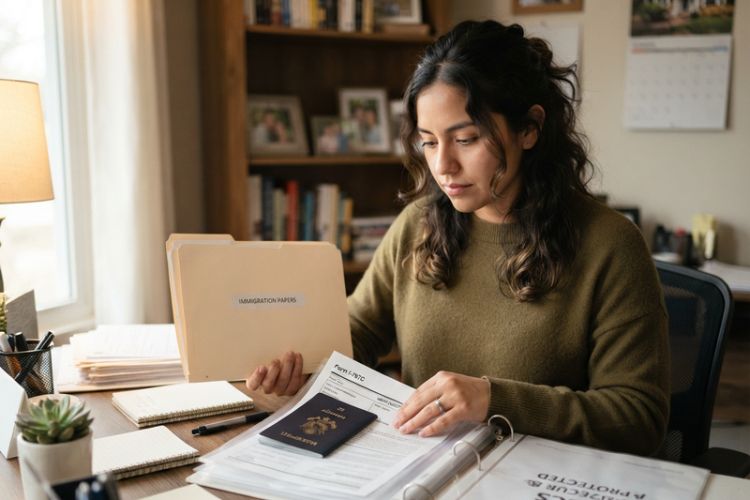
If you’re asking, ” Why is my green card taking so long, it’s important to pay attention to your immigration documents while waiting for an answer. Check whether your work permit is still valid or needs renewal. Remember that filing Form I-485 doesn’t automatically give you permission to work in the United States.
Another thing to remember is keeping your information updated with USCIS. If you move to a new address, report the change so important letters and appointment notices reach you. Keep copies of your immigration documents and any correspondence you receive, as you may need them during the remaining application process.
Conclusion
When you’ve been waiting months for your green card and still haven’t heard anything from USCIS, it’s natural to feel frustrated. A delay doesn’t necessarily mean your application has a problem. Still, it’s a good idea to check whether USCIS has asked for more documents or sent you a notice you might have missed.
If your application has been pending longer than expected and you’re not sure what to do next, The Rochester Law Firm can help you look into your case. The firm’s immigration team can review your situation, explain your available options, and help you decide what steps to take next.
FAQs
Why is my green card still pending after biometrics?
Your biometrics appointment is just one part of the green card process. After collecting your fingerprints, USCIS may still need time to finish security checks or look over your documents. If an interview is required, you’ll also have to wait for an appointment before your case can move forward.
Can USCIS approve my green card without an interview?
Yes, USCIS can approve certain green card applications without an interview. However, this depends on your case. If officers need to verify information or ask questions about your application, they may schedule an interview before making a decision.
Does a long processing time mean my application will be denied?
No, a long wait doesn’t necessarily mean USCIS plans to deny your application. If you’re asking why your green card is taking so long, the reason could be a heavy workload, pending background checks, or documents that still need reviewing.
Can I work while waiting for green card approval?
Yes, you may be able to work while waiting for your green card, but you must have permission to do so. Depending on your situation, you might need to apply for a work permit using Form I-765. If your current immigration status already allows you to work, you may not need a separate permit.