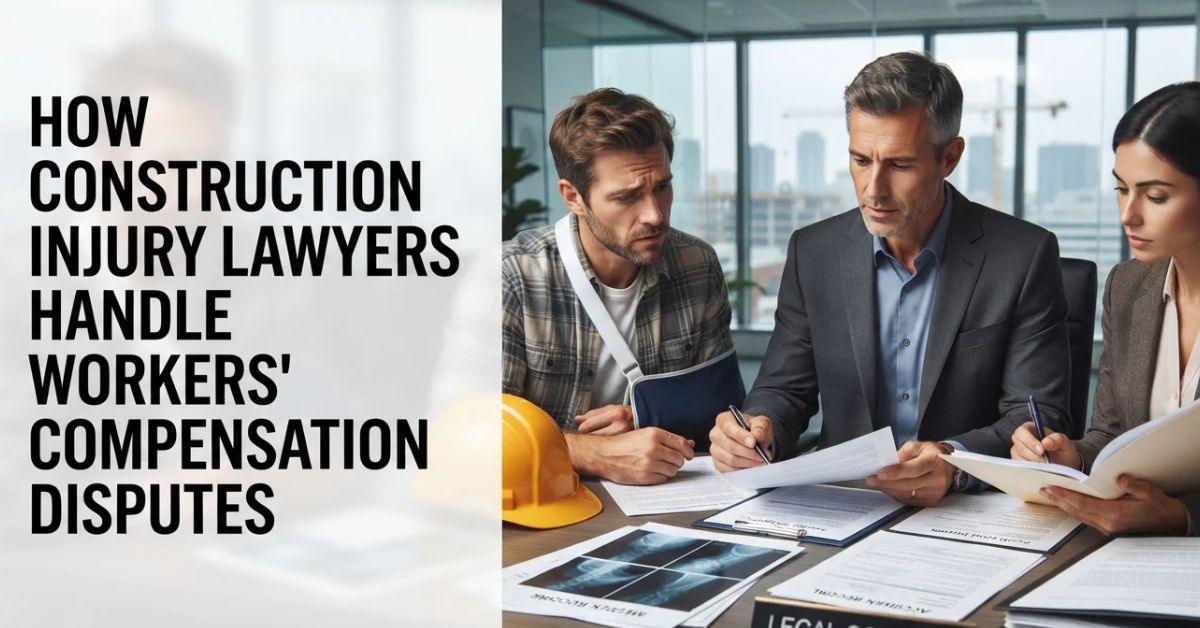


Construction accidents can put workers in a difficult position, especially when an insurance company refuses to cover their medical treatment or lost wages. Even after reporting an incident and submitting the required paperwork, an injured employee may face questions about how the accident occurred or whether the injuries are related to their job.
A Construction Injury Lawyer can help workers understand why their compensation has been challenged and what legal options are available. The Rochester Law Firm represents injured individuals in New York, including those involved in construction accidents. Knowing how workers’ compensation disputes are handled can help employees make informed decisions about their next steps.
Why Workers’ Compensation Claims Become Disputed After Construction Accidents
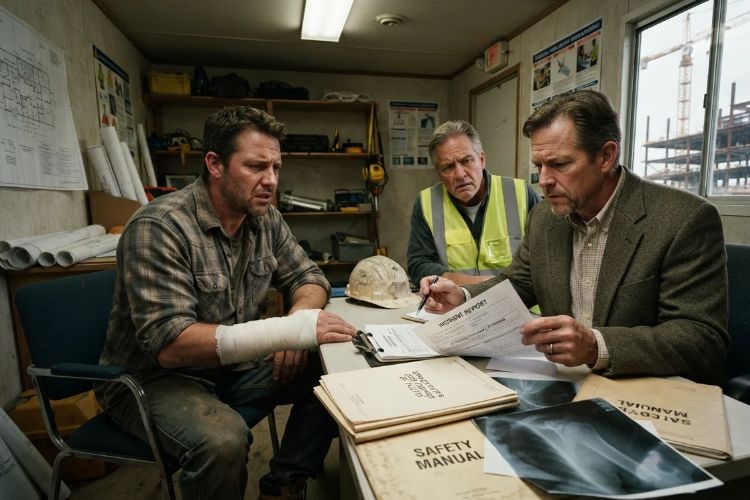
Construction workers often perform physically demanding tasks in areas where conditions can change throughout the day. An accident may leave an employee unable to continue working or return to their usual responsibilities. Although workers’ compensation is intended to assist employees dealing with Construction Injuries, insurance companies sometimes challenge their requests for financial and medical support.
Workers’ compensation disputes can arise when an insurer finds gaps in the information submitted with a claim. It may question how long the employee needs to remain off work or whether certain medical expenses should be covered. These disagreements can hold up benefits at a time when the worker is already facing financial pressure.
A Construction Injury Lawyer looks into the circumstances behind the dispute and reviews the information available from both sides. Some Injury Claims involve disagreements about when or where an accident occurred, while others concern the worker’s medical condition. Examining these details can help determine how to challenge the insurer’s decision.
How Construction Injury Lawyers Build a Case Against Claim Denials
Reviewing the Denial Notice and Claim History
When an insurance company refuses to approve a claim, the explanation provided in its notice becomes an important starting point. A lawyer looks into the employer’s account of the accident, the information submitted by the injured worker, and any concerns raised by the insurer. This helps establish which parts of the claim are being questioned.
A Construction Injury Lawyer also examines whether the worker followed New York’s reporting and filing requirements. Employees generally have 30 days to inform their employer about an injury and two years to file a workers’ compensation claim. Certain exceptions exist, so the circumstances surrounding any delay must also be considered.
Gathering Medical Records and Job Site Evidence
A worker’s medical history can help explain how an accident has affected their health and ability to earn a living. Lawyers obtain relevant hospital records, test results, and doctors’ assessments to understand the nature of the injury. They may also seek medical opinions when the insurance company questions the need for continued treatment.
Information from coworkers and the construction site can provide another account of what happened. Equipment inspection records, photographs, and statements from people who witnessed the accident may be useful. A construction injury attorney white plains may also investigate whether someone other than the employer shares legal responsibility for the accident.
Addressing Disagreements Over Existing Medical Conditions
Having a previous health problem does not automatically prevent someone from receiving workers’ compensation. For instance, an employee with a history of knee pain may suffer a more serious injury after slipping on a wet construction surface. The insurance company might question how much of the current condition resulted from that particular incident.
In these situations, lawyers look at the worker’s health before and after the accident. Earlier medical appointments, changes in symptoms, and new treatment recommendations can help show whether the workplace incident made the condition worse. A doctor’s findings may be particularly important when the insurer attributes the worker’s limitations entirely to an earlier injury.
Challenging Unpaid Medical Bills and Reduced Wage Benefits
Even when workers’ compensation benefits have been approved, problems can arise with medical expenses and ongoing payments. An insurance company may refuse to cover certain treatments or disagree with the doctor’s recommended recovery period. As a result, injured employees may struggle to pay their bills while they are still unable to return to work.
A Construction Injury Lawyer reviews medical opinions and benefit calculations to determine whether a reduction or denial can be contested. Independent medical examination reports may be compared with findings from the treating physician, particularly when the doctors disagree about disability or recovery.
Disputes involving Work Injury Claims can also concern a worker’s average weekly wage or ability to return to employment. Payroll records, medical restrictions, and information about available duties can help clarify these issues. The appropriate response depends on the reason the insurer changed or withheld payment.
What Happens When a Workers’ Compensation Dispute Reaches a Hearing?
Some disagreements cannot be resolved through additional paperwork or discussions with the insurer. When necessary, the New York Workers’ Compensation Board may schedule a hearing before a Workers’ Compensation Law Judge. Both sides have an opportunity to present evidence concerning the disputed issues.
A Construction Injury Lawyer prepares for the hearing by reviewing the disputed issues and determining which information should be presented to the judge. The attorney may bring attention to differences in medical opinions, question witnesses, and respond to claims made by the insurance company.
After hearing both sides, the judge decides whether the worker is entitled to the benefits being disputed. The ruling may address unpaid medical expenses, disability payments, or the extent of the employee’s injuries. If certain matters remain unclear, further evidence or another hearing may be necessary.
When a Construction Accident May Involve a Separate Injury Lawsuit
Workers’ compensation generally provides benefits without requiring an injured employee to prove employer negligence. However, certain Construction Injuries may also involve another party whose conduct contributed to the accident.
For example, a worker injured by defective equipment might have a claim against the manufacturer. An unsafe scaffold or dangerous worksite condition may raise questions about the responsibility of a property owner or contractor. New York Labor Law Sections 200, 240, and 241 may apply depending on the work performed and how the accident occurred.
A separate construction injury lawsuit may allow recovery for losses that workers’ compensation generally does not cover, including pain and suffering. However, these Injury Claims have different legal requirements, and compensation liens or reimbursement obligations may affect the eventual recovery.
Protecting Your Claim While the Dispute Is Still Open
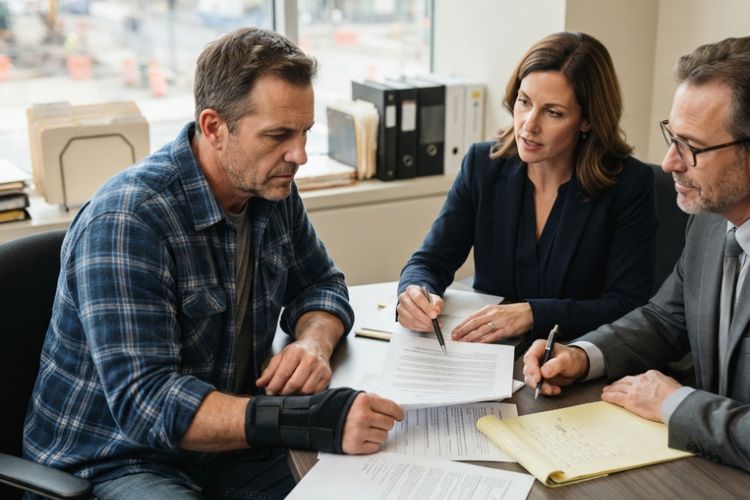
While a workers’ compensation dispute remains unresolved, injured employees should continue receiving the medical care recommended by their doctor. Keeping appointment records, treatment receipts, and letters from the insurance company can be useful if questions arise about their recovery or the benefits they are requesting.
Any time away from work should be recorded, along with changes in earnings or working hours after the accident. Employees should also inform the appropriate parties if their health improves or their doctor changes their work restrictions. Missing an examination or failing to answer an official notice could create further problems with the claim.
Because Work Injury Claims can involve complicated medical and employment questions, workers should understand the terms of any proposed settlement before signing. Some settlements can affect future wage payments or medical benefits.
Conclusion
A denied or disputed workers’ compensation claim can create serious financial difficulties after a construction accident. Medical documentation, reliable accident records, and timely responses are often necessary to address disagreements with an insurance company.
A Construction Injury Lawyer can assess the available evidence and explain which legal remedies may apply. If someone other than the employer contributed to the accident, the injured worker may also have grounds for a separate personal injury lawsuit. Understanding these options can help workers decide how to pursue the compensation they may be entitled to receive.
FAQs
Can I challenge a denied workers’ compensation claim in New York?
Yes. A denial does not necessarily mean you have lost your right to benefits. You can take the matter to the New York Workers’ Compensation Board, where a judge may review medical evidence and hear arguments from both sides.
Can my employer dispute an injury that happened at a construction site?
Yes. Your employer or their insurer may disagree about how the accident happened or whether your job caused the injury. Statements from coworkers, medical reports, and other records from the accident may help support your claim.
What if my workers’ compensation payments suddenly stop?
Review the insurer’s explanation and any notices from the Workers’ Compensation Board. Payments may be disputed or reduced for several reasons, and the appropriate challenge depends on the grounds for the change.
Can I receive workers’ compensation and file a construction accident lawsuit?
Yes. If someone other than your employer was responsible for the accident, you may be able to file a separate lawsuit while receiving workers’ compensation benefits. However, part of your lawsuit settlement may need to be used to repay certain benefits already paid.